







Search Results for: Green Coffee Packaging Methods

Green Coffee Packaging, Storage Conditions, and Seasonality: A Full Analysis of Jute Bags, Vacuum Bags, GrainPro Bags, and Freezing Methods
The quality of green coffee beans depends not only on origin and processing method; their packaging and storage methods are equally crucial. From the most common jute bags to vacuum bags, grain bags, and even frozen storage, different packaging methods vary significantly in their protective effect on green beans and their cost. Over the past decade, specialty roasters have driven innovation in packaging and transportation methods, using faster and more scientific approaches to lock in the freshness of green beans. This article will systematically review the advantages and disadvantages of commonly used packaging, the requirements of the storage environment, and explore the concept of "seasonality," which has attracted much attention in recent years. Whether you are a roaster or a coffee enthusiast, understanding this knowledge can help you better judge and preserve coffee beans. [more…]
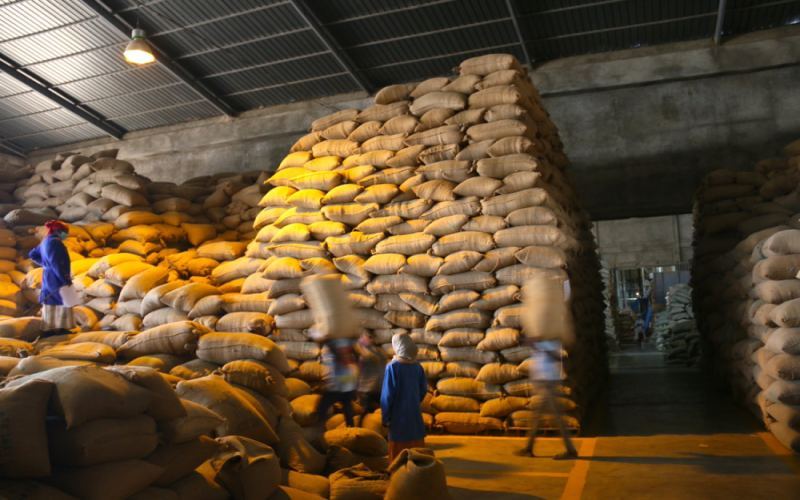
A Complete Guide to Green Coffee Packaging and Storage: From Jute Bags to Vacuum Seals and Freezing Methods
From the moment green coffee beans leave their place of origin and reach the roaster, the packaging and storage methods directly affect the final flavor. In the past, burlap sacks were the mainstream, but today specialty coffee has driven a series of more refined packaging and storage technologies, including vacuum bags, grain bags, and even frozen storage. This article will systematically introduce the commonly used green bean packaging methods, their respective advantages, disadvantages, and costs, and discuss warehouse environment management as well as different understandings of the concept of "seasonal." Whether you are a roaster or a coffee enthusiast, you can learn from this how to better maintain the freshness and quality of green beans. The burlap sacks commonly seen at Front Street stores are also mentioned in the article as one of the most economical options. [more…]
Green Coffee Storage | What Are Green Coffee Packaging Methods? Introduction to Green Coffee Storage Temperature, Humidity, and Shelf Life
Until recent years, all coffee beans were packaged in burlap sacks and transported in shipping containers, only reaching roasters several months after the beans had been processed. If roasters and importers occasionally wanted to cup coffee beans from the place of origin, or taste a "pre-shipment sample," what they received instead would be stored [more…]
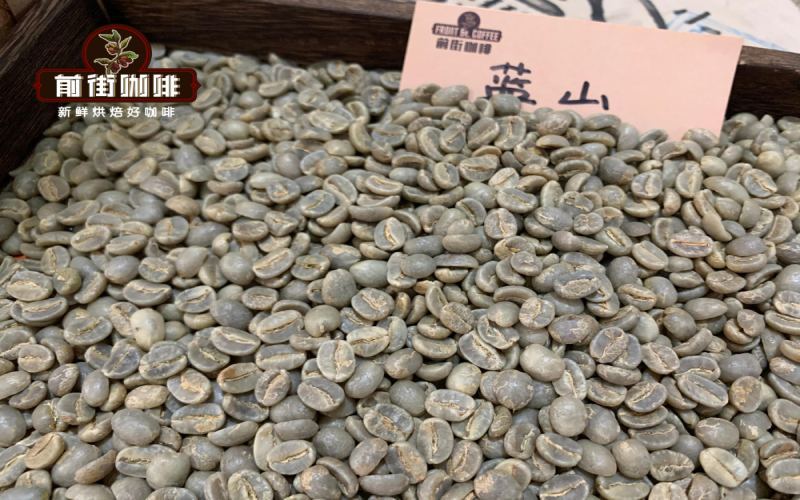
Comprehensive Guide to Green Coffee Beans: Quality Assessment, Crop Year Classification, Shipping Methods, and Storage Essentials
Green coffee beans are the starting point that determines the flavor of a cup of coffee. From color and luster to moisture content, every detail reveals the quality code of green beans; the terms "new crop," "current crop," "old crop," and "aged crop," named by harvest year, record how time shapes flavor. During transoceanic shipping, temperature and packaging methods also influence the fate of green beans—low-temperature containers, temperature-controlled storage, and vacuum aluminum foil bags are all effective means of extending good flavor. The ultimate preservation challenge points to a simple yet expensive answer: vacuum packaging followed by freezing. This article systematically organizes the complete knowledge of green beans from identification to storage, and includes practical advice from Front Street Coffee, taking you deeper into understanding this green seed. [more…]

What Is the Difference Between Jamaican Blue Mountain and High Mountain Coffee? A Comprehensive Guide from Altitude Classification to Barrel Packaging
Though both are grown in Jamaica's Blue Mountains, Blue Mountain Coffee and High Mountain Coffee are not the same variety—altitude differences determine their identity and grade. Blue Mountain Coffee is limited to elevations between 900 and 1,700 meters, while High Mountain Coffee comes from the 450 to 900 meter zone. Blue Mountain Coffee is further classified into grades one, two, and three based on bean screen size; top-grade Blue Mountain No. 1 requires screen size 17 and above with a defect rate below 2%. Its distinctive wooden barrel packaging and official certification certificates further enhance the prestige of authentic Blue Mountain Coffee. Front Street Coffee selects Blue Mountain No. 1 from Clifton Estate, presenting a balanced flavor of dark chocolate, nuts, and creamy smoothness through a medium-dark roast. This article will guide you through a comprehensive understanding of the differences between the two, identification methods, and brewing key points. [more…]
An In-Depth Explanation of the Meaning of 90+ Single-Origin Bean L195: A Complete Guide to the Flavor Description System and Grading Rules
90+ (Ninety Plus) is a highly regarded green coffee brand in the specialty coffee world, and its unique flavor symbols and Level grading system often leave enthusiasts confused. This article will start with the L195 grade, systematically sorting out 90+'s grading logic, the meanings of its flavor symbols, its exclusive processing methods (Red, Ruby, Solkiln), and the Profile Processing production system. At the same time, it will explain in detail the representative 90+ coffees recommended by Front Street Coffee, including the flavor characteristics of beans such as Perci, Straight Talk, and Lotus, and their corresponding grades, helping readers fully understand this legendary brand's green coffee philosophy. [more…]
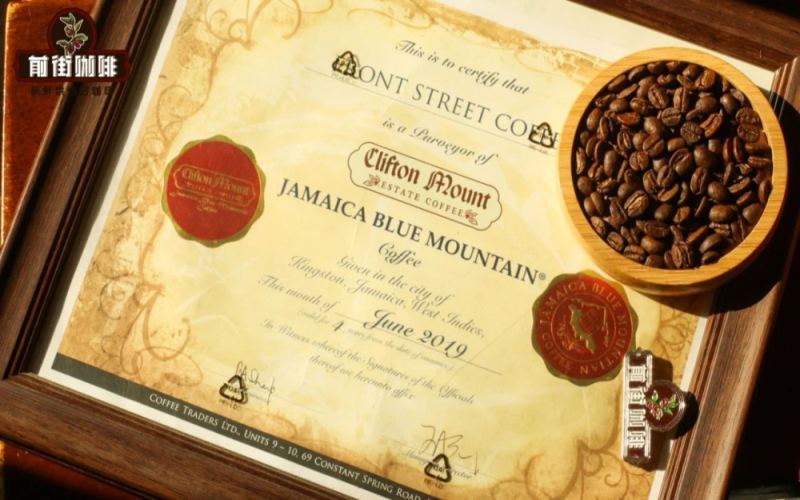
Why Is Jamaican Blue Mountain Coffee So Expensive? What's Behind Cheap "Blue Mountain Flavor" Coffee?
Jamaican Blue Mountain coffee is hailed as one of the most renowned rare coffees in the world, known for its balanced acidity, sweetness, and bitterness along with a smooth, full-bodied mouthfeel. However, the market is flooded with low-priced products labeled "Blue Mountain flavor"—just how do they differ from authentic Blue Mountain coffee? This article, from the professional perspective of Front Street Coffee, systematically sorts through the growing conditions and certification systems of Blue Mountain coffee, and shares eight practical methods for identifying authenticity, covering dimensions such as taste, certification, origin, packaging, grade, appearance, grind, and aroma. It also introduces the Rainforest Alliance-certified estate background of Front Street Blue Mountain No. 1, its washed processing flow, and suggested brewing parameters for the Kono dripper, helping coffee enthusiasts gain a comprehensive understanding of this legendary coffee. [more…]
A Guide to Authenticating Jamaica Blue Mountain No. 1 Coffee: Pricing, Flavor, and Brewing Parameters Explained
Jamaican Blue Mountain coffee has long ranked among the world's most prestigious coffees, thanks to its balanced acidity, sweetness, and bitterness along with its smooth, full-bodied mouthfeel. However, the domestic market is a mixed bag, with products labeled "Blue Mountain flavor" bearing little resemblance to authentic Blue Mountain coffee. From the perspective of Front Street Coffee, this article systematically organizes eight practical methods for verifying the authenticity of Blue Mountain coffee, covering dimensions such as taste, certification, origin, packaging, grade, appearance, grind, and aroma, and provides a detailed introduction to the flavor profile of Clifton Mount Estate Blue Mountain No. 1 along with a Kono dripper brewing recipe, helping coffee enthusiasts make accurate judgments when purchasing. [more…]
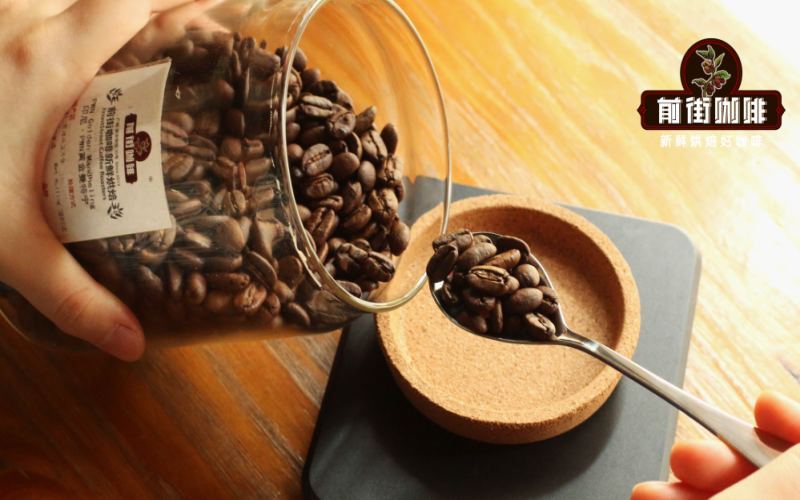
Analysis of Key Factors Affecting Coffee Bean Freshness and Practical Storage Methods
The freshness of coffee beans directly determines the flavor performance of a cup of coffee, and whether the storage method is appropriate is the core factor affecting freshness. In this article, Front Street Coffee systematically sorts out the differences between the two types of storage scenarios for green coffee beans and roasted beans, focusing on analyzing the mechanisms of the three major "killers" of coffee bean freshness: light sources, high temperature, humidity, and oxygen, and provides practical storage solutions such as one-way exhaust valve sealed bags and vacuum-sealed canisters. At the same time, the article also answers common questions such as the difference between the optimal drinking period and the shelf life of coffee beans, and whether they are suitable for refrigerator storage, helping coffee enthusiasts protect the flavor of every bag of beans in a more scientific way. [more…]
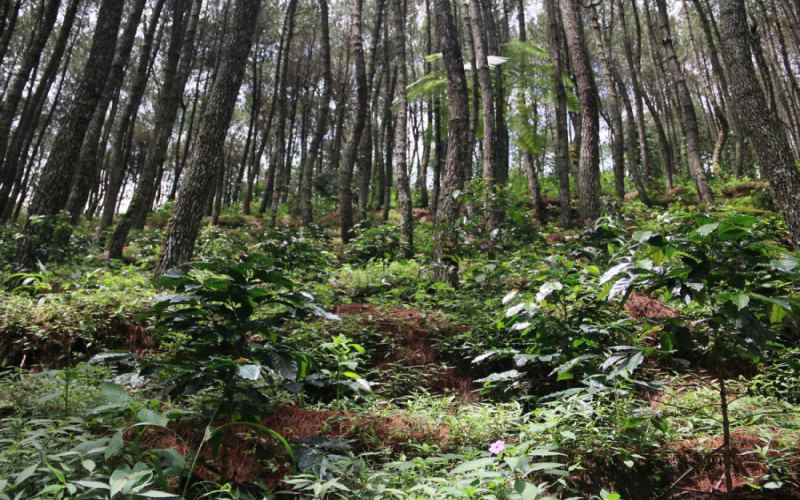
A Complete Guide to Indonesian Sumatra Coffee Bean Varieties: Mandheling Region Flavors and the Origin of the Sumatra Tiger Packaging
Sumatra is not only the sole habitat of the Sumatran tiger, but also one of Indonesia's most iconic coffee-producing regions. Starting from the origin of the Sumatran tiger packaging, this article systematically reviews the distribution of Mandheling growing regions, the varietal composition, and the differences in processing methods, and provides a detailed explanation of five Front Street Coffee Mandheling selections—Lintong, Gold, Tiger, Aged, and Natural—including their respective flavor characteristics and brewing suggestions, helping coffee enthusiasts understand the traditional logic behind dark-roasted Mandheling, as well as the different expressions of natural-process Mandheling under medium-light roasting. [more…]
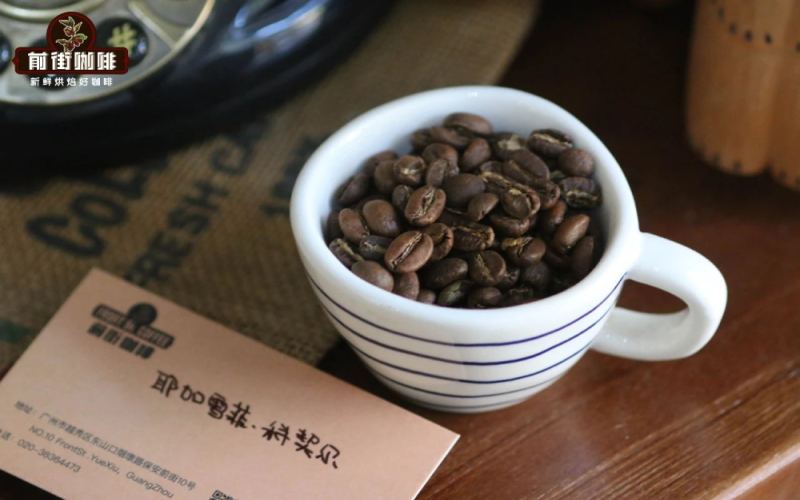
Front Street Coffee Yirgacheffe Kochere G1 Washed Heirloom: A Comprehensive Analysis of Flavor Characteristics and Processing Methods
Yirgacheffe, as a flagship region for Ethiopian specialty coffee, has its Kochere sub-region's washed G1 heirloom varieties consistently drawing attention from international buyers. This article focuses on Front Street Coffee's Ethiopia Yirgacheffe Kochere G1, outlining its regional background, cooperative production model, washed processing technique, and green bean packaging technology, while describing its flavor profile in detail—from floral aromatics and citrus sweetness to a black tea finish. Whether you are a newcomer just getting into specialty coffee or a seasoned connoisseur looking for a daily staple, you can gain a complete picture of this coffee and its brewing possibilities. [more…]
Why Jamaican Blue Mountain Coffee Is Packaged in Wooden Barrels: An In-Depth Analysis from Historical Origins to Quality Assurance
Green coffee beans are usually transported in burlap sacks, but Jamaican Blue Mountain coffee has always been shipped in wooden barrels. This unique tradition has both historical roots and implications for quality assurance. Front Street Coffee will provide a comprehensive explanation of what makes Blue Mountain coffee unique, covering the origins of barrel packaging, the characteristics of the wood, the Rainforest Alliance certification mark, and Blue Mountain coffee's certificate system, estate background, processing methods, and varietal characteristics. At the same time, Front Street Coffee will also share the brewing parameters and flavor profiles of two Blue Mountain No. 1 coffees—one washed and one natural—to give you an in-depth look at every detail of this top-tier coffee. [more…]
Analysis of Jamaican Blue Mountain Coffee Flavor Characteristics: Nutty Aroma, Mouthfeel Layers, Authenticity Identification, and Price Guide
Jamaican Blue Mountain coffee has long ranked among the world's top coffees, thanks to its balanced ratio of acidity, sweetness, and bitterness and its smooth, full-bodied mouthfeel. However, it is common in the domestic market for "Blue Mountain flavor" products to be passed off as "Blue Mountain coffee," and ordinary consumers often find it hard to tell the difference. Starting from the origin background and certification system of Blue Mountain coffee, this article systematically introduces eight practical methods for verifying authenticity, covering multiple dimensions such as taste, packaging, grade, appearance, grinding feel, and aroma, and uses the bestselling Clifton Estate Blue Mountain No. 1 from Front Street Coffee as an example to provide specific flavor descriptions and brewing parameter suggestions, helping coffee lovers gain a comprehensive understanding of this legendary coffee. [more…]
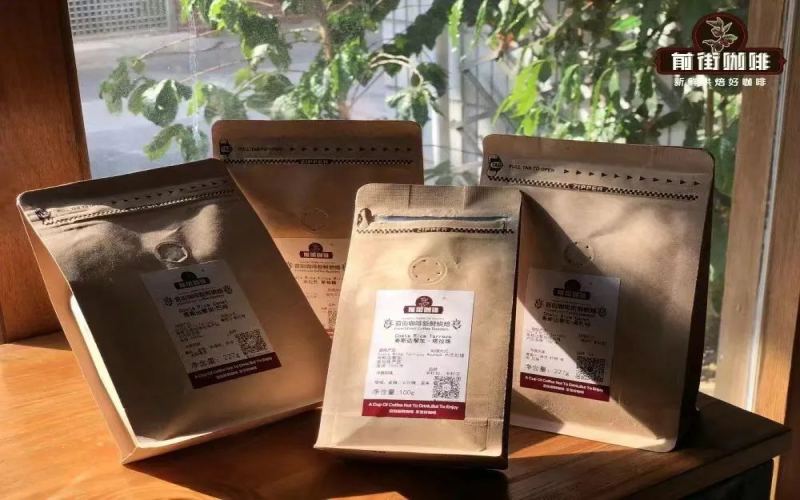
How to properly store coffee beans after buying them? A complete storage guide from packaging to bean canisters
Many coffee lovers, after enjoying a pour-over at a café, can't resist buying a bag of beans to brew at home. But once you've bought the beans, how should you store them? How long can they keep? And what exactly is the difference between shelf life and peak flavor period? These questions often leave people confused. In this article, Front Street Coffee will provide a detailed explanation of coffee bean storage methods, from keeping the original packaging to choosing a dedicated bean canister, analyzing the role of the one-way degassing valve, the importance of sealing and light protection, and why ground coffee is not recommended for long storage. It will also explain the concept of the optimal flavor period, helping you preserve the coffee's flavor as much as possible in your daily drinking. [more…]
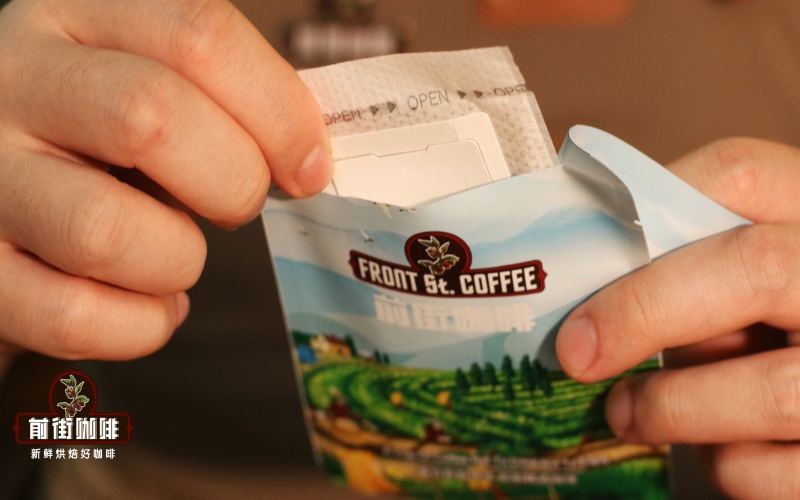
Drip Bag Coffee Buying Guide: Recommendations for Five Flavor Categories of Single-Origin Coffee and Detailed Standard Brewing Steps
Drip bag coffee was first patented in 1990 by Japan's Yamanaka Sangyo Co., Ltd., which adapted the tea bag concept to coffee. Today, with the rise of the specialty coffee wave, this convenient yet quality-preserving brewing method is favored by more and more enthusiasts. This article selects five of the best-selling single-origin drip bag coffees, covering different flavor profiles such as tea-like, floral, fruity, fermented, balanced, and high-body. It also includes Front Street Coffee's quality control details in grinding and packaging, as well as standard operation diagrams from blooming to pouring completion, helping you consistently brew a good cup of coffee at home. [more…]
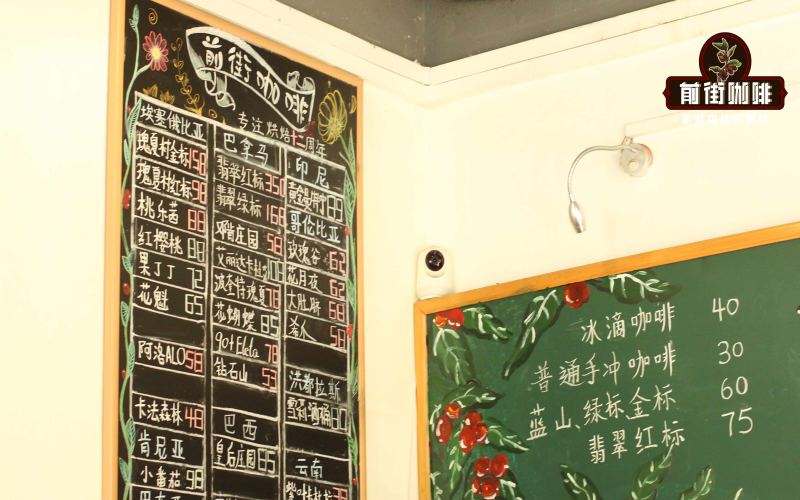
Coffee Bean Storage Methods | Which bagged coffee bean roasting brands are recommended for beginners? How long after the roast date do coffee beans taste best?
Whether it's for a morning wake-up, an afternoon pick-me-up, or a slow, leisurely brew at home, choosing the right coffee beans can bring café-quality flavor right to your doorstep. Today we're bringing you a coffee bean brand with a stellar reputation across the web, along with a roundup of bagged coffee beans that deliver consistent flavor and are absolutely worth repurchasing—so beginners can avoid any missteps, and longtime fans can stock up with complete confidence. [more…]
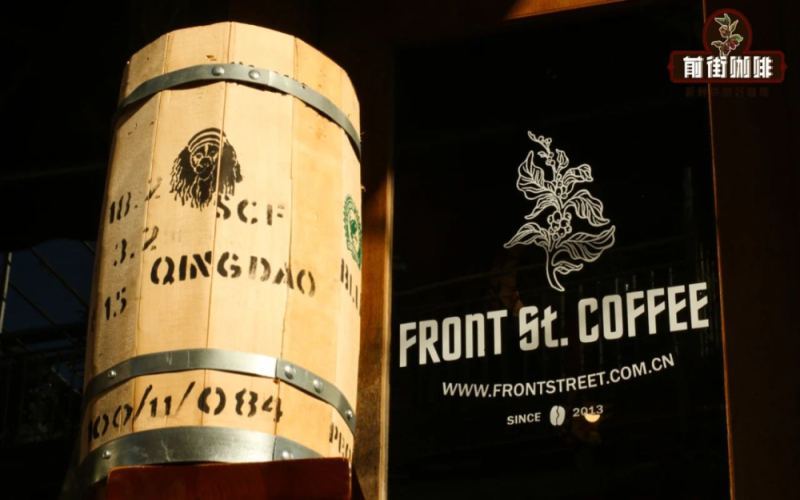
Where is Jamaican Blue Mountain Coffee Produced? A Full Analysis of Flavor Characteristics, Price Factors, and Authenticity Identification
Blue Mountain coffee has long been regarded as a classic representative of specialty coffee. It is produced in the Blue Mountains of Jamaica, and thanks to its unique climate, volcanic soil, and Typica variety, it presents a clean flavor with a highly balanced interplay of acidity, sweetness, and bitterness. This article will systematically sort out the core knowledge about Blue Mountain coffee from the perspectives of the producing environment, the reasons for its high price, green bean processing and wooden barrel packaging, methods for identifying authenticity, and Front Street Coffee’s roasting recommendations and pour-over parameters, helping coffee lovers gain a comprehensive understanding of this legendary coffee and avoid pitfalls when purchasing so they can enjoy its authentic flavor. [more…]
From a Seed to a Cup of Coffee: A Complete Analysis of the Coffee Bean Life Cycle and Processing Techniques
Have you ever been like Front Street Coffee, filled with curiosity about the story behind the cup of coffee you drink every day? From the seed first planted to the final rich aroma in the cup, a coffee bean must go through multiple stages: cultivation, picking, post-processing, transportation, roasting, grinding, and extraction. The Arabica coffee tree has strict requirements for its growing environment—temperature, rainfall, altitude, and soil are all indispensable. After picking, the coffee cherries must also undergo processing such as sun-drying before they become green beans, and then through roasting they develop their captivating flavors. This article will take you through the complete journey of a coffee bean from the field to the cup, helping you understand how each step affects the final flavor. [more…]
A Complete Guide to Natural and Washed Coffee Processing: Step-by-Step Procedures, Flavor Differences, and Green vs. Roasted Bean Comparison
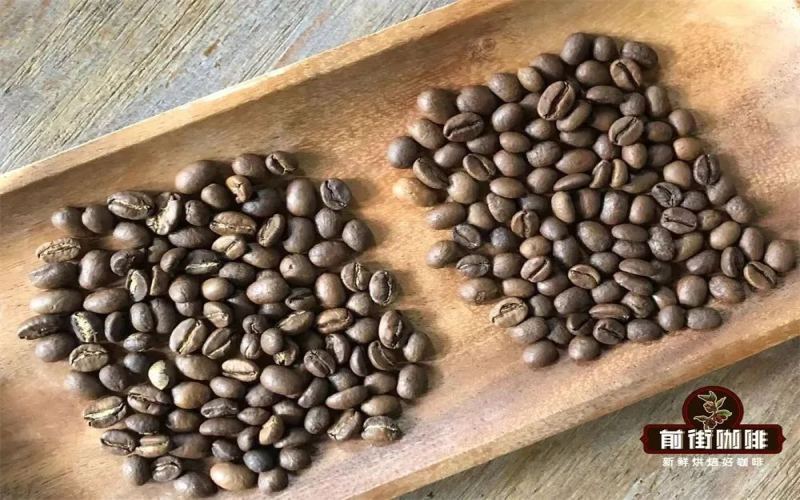
When buying coffee beans, the packaging often indicates processing methods such as natural, washed, and honey. What exactly is the difference between natural and washed? Front Street Coffee takes you through the structure of the coffee fruit to explain in detail the specific steps, advantages and disadvantages, and flavor characteristics of the two processing methods. It also uses two Yirgacheffe coffees—Front Street Natural Red Cherry and Washed Gudingding—to compare the silver skin differences between green beans and roasted beans, and to analyze the fermented sweetness of natural beans and the bright cleanliness of washed beans. Only by understanding processing methods can you better choose the flavor you love. [more…]
An Analysis of the Jamaican Blue Mountain Green Coffee Bean Grading System and the Flavor Characteristics of the Typica Variety
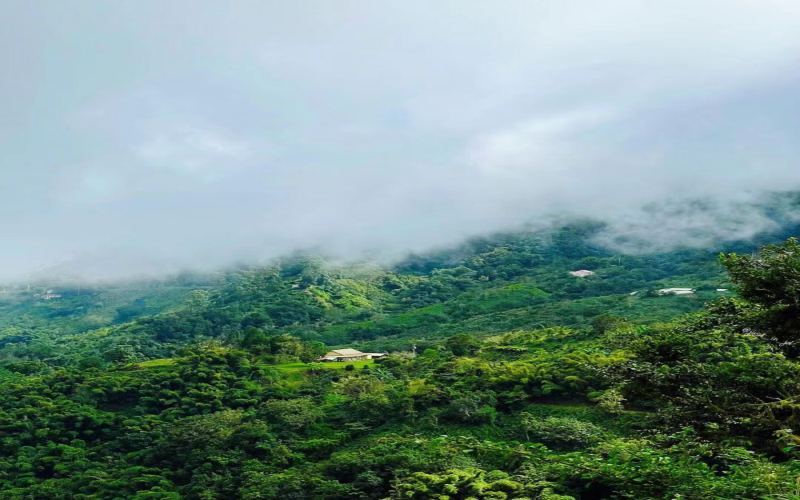
Blue Mountain coffee has long occupied the position of a byword for good coffee in the minds of Chinese consumers, but when it comes to its place of origin, grading standards, varietal characteristics, and that history of deep entanglement with Japan, many people are actually not clear. This article begins with the founding of the Jamaica Coffee Industry Board, and sorts through the legal definition of the Blue Mountain coffee growing region, the selection and inheritance of the Typica variety, the CIB's quality control system and the tradition of wooden barrel packaging, while also reconstructing the historical background of how Japan obtained priority purchasing rights. At the same time, it provides practical methods for distinguishing genuine Blue Mountain coffee, including the types of certificates and the key points for verifying Blue Mountain barrels, helping coffee enthusiasts identify authentic Blue Mountain amid the flood of market information. [more…]